

Wear and Tear or Real Damage? How to Hold Residents Accountable
ManageGo is a smarter, faster and better way to accept/pay online rent payments, manage maintenance support, and much more.
Wear and tear is a phrase you’ve probably heard before. But what does it mean in the context of property management, and why is it important to know about? Take a look at this handy guide to learn more!
What is property wear and tear?
People use the phrase wear and tear to describe expected deterioration in the condition of the property due to normal use. For an individual unit, that might mean things like fading colors or finishings, worn door hinges, or loose or dirty tile grout. These are things that would always occur no matter who lived there or how well they cared for the apartment.
How is wear and tear different from property damage?
In contrast to wear and tear, which is expected to happen in the apartment no matter what, property damage that shouldn’t be expected to occur through simple normal use. Relatively common examples of property damage in a unit are things like broken windows, missing or severely bent bathroom fixtures, or burned or badly stained carpet or floors.
Why is the distinction between wear and tear and property damage important?
The main reason to have a good understanding of the difference is related to financial responsibility. Wear and tear isn’t the resident’s fault — it’s nobody’s fault, really — so it’s not reasonable to ask them to bear financial responsibility for it. In the case of property damage caused by a resident’s abuse or neglect, however, a property manager or landlord has the right to hold the resident financially responsible and collect repair or replacement costs from them by fines or deductions from the resident’s security deposit.
How can I make sure my residents understand their responsibilities?
A walk-through inspection is the simplest way to make sure your and your residents are on the same page about what’s wear and tear, what’s property damage, what’s been caused by the resident, and what hasn’t. Walk through the unit with the resident at move-in and again at move-out and discuss the condition of the unit in detail. Use the move-in walkthrough to make sure everyone agrees on the state of the unit before the resident has lived there, and use the move-out walkthrough to make sure everyone sees eye-to-eye regarding any decline in the unit’s condition and who will be financially responsible for repairs. By doing this, you and your residents can both be clear about your thinking and avoid later confusion and disputes.
Simplify the move-in and move-out processes by utilizing inspection checklists. Lucky for ManageGo users, we’ve already got these for you, so nothing goes unnoticed!
No matter your business goals, ManageGo has your back. To discover just how our software solutions can benefit you and your unique property management needs, request a demo today. Or, connect directly with one of our experts and get started on your journey to better property management.
ManageGo is the smart alternative
Pay 75% less for more features and a better experience for you and your tenants




Insights to Help You Manage Smarter

When Residents Want to Break Lease: A Guide to Early Termination for Landlords
Leases are designed to last for a specific period of time, and when they’re signed, all parties are hoping that everything goes as planned for the entire lease term. Unfortunately, it doesn’t always happen that way. Sometimes, a situation arises where a resident wishes to terminate the lease and leave early.

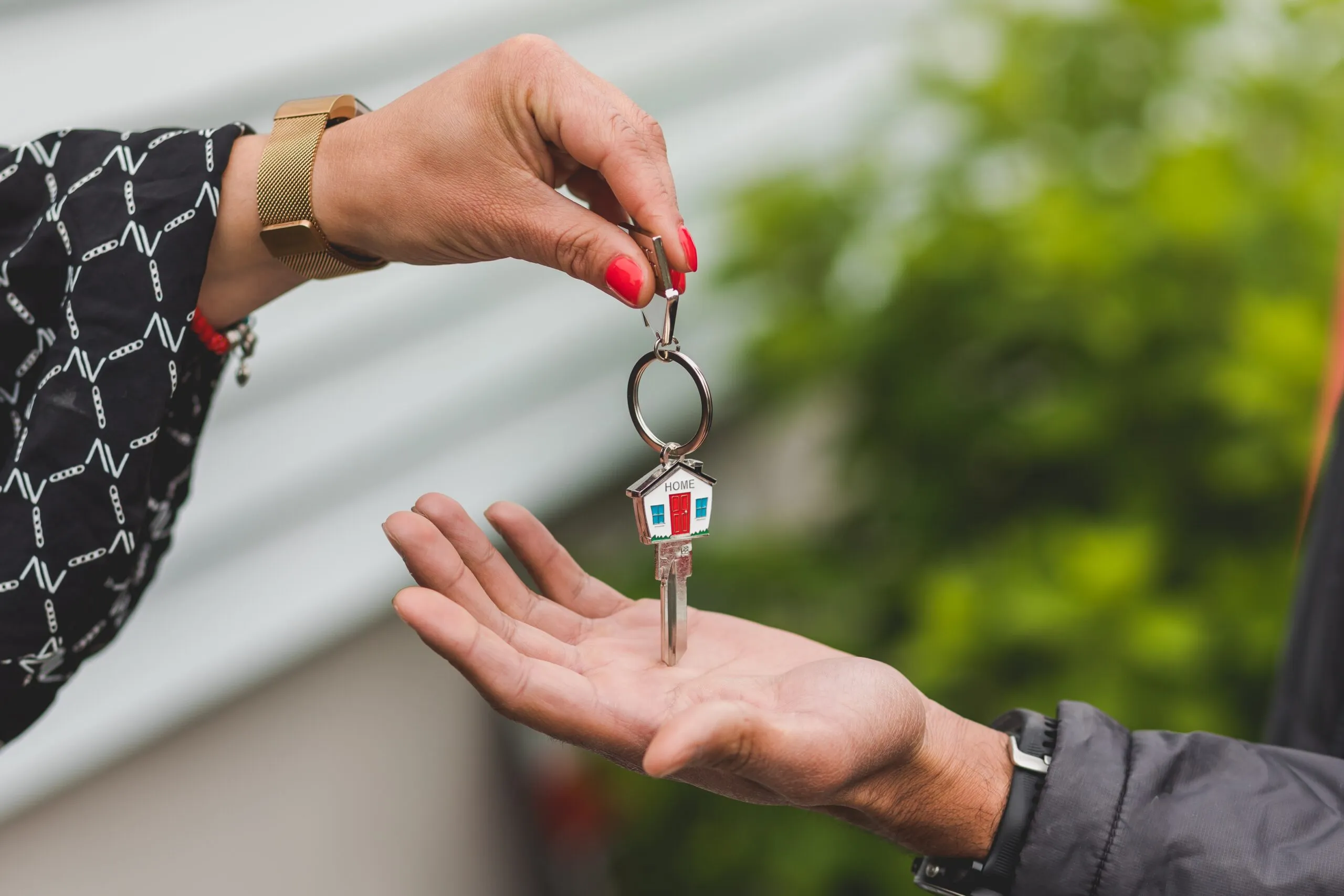
Subleasing: What Is It and Is It Right for My Multifamily Property?
Subleasing is a hot topic in today’s rental market, and you may be wondering whether it’s the right move for your multifamily property. We’ll guide you through what a sublease is, its advantages and disadvantages, and help you decide whether or not it makes sense for your property.
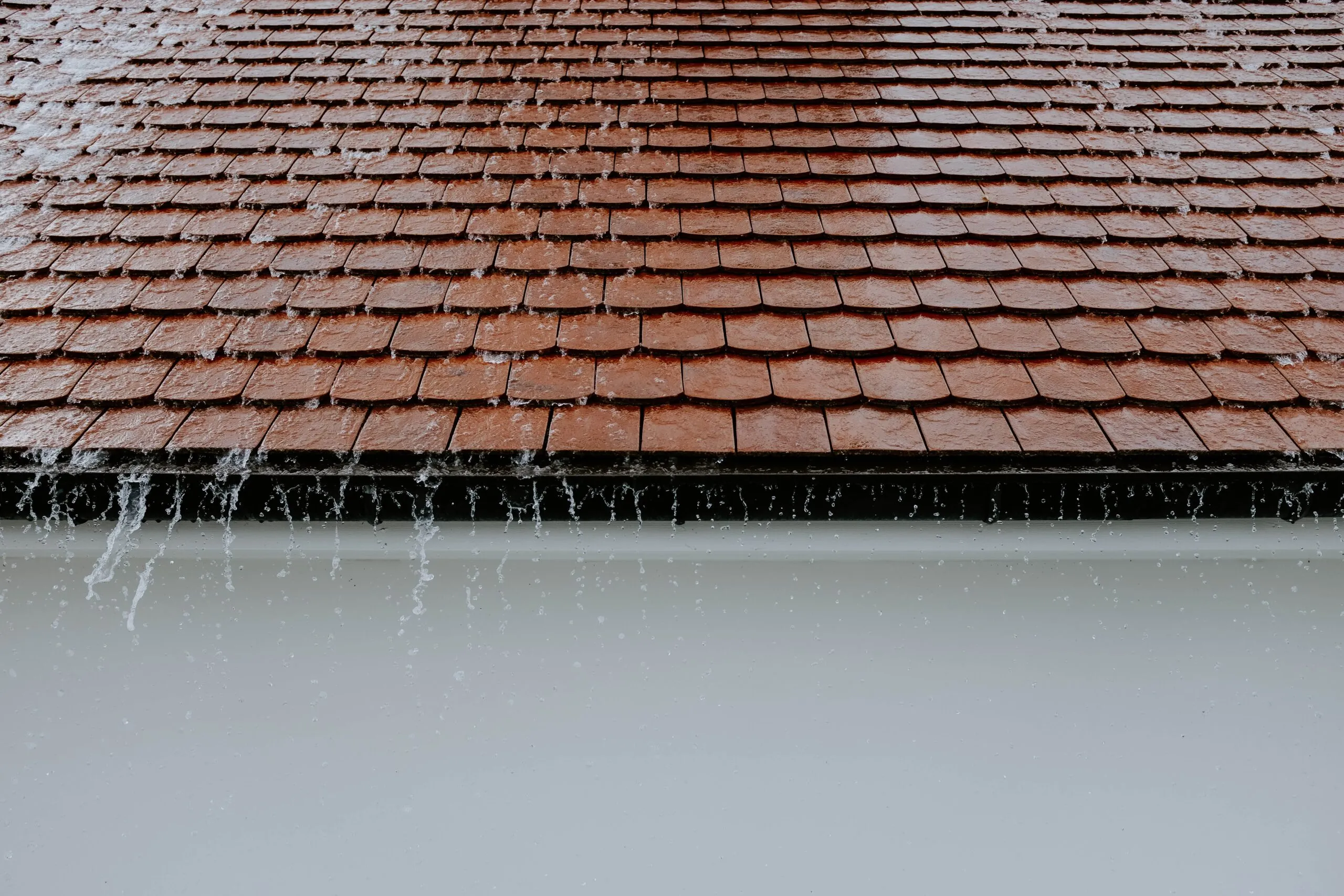
The 5 Most Common Roofing Problems to Prepare for in the Spring
Spring is the perfect time to take stock of the roofing situation at your properties. You’re out of the depths of winter and ready to do more of the outdoor work that roofing often requires. When you’re looking at your roof, though, what exactly should you be looking for? Here are a few of the most common types of roofing problems to be on the lookout for this spring and summer:
Managing properties shouldn’t feel complicated. From collecting rent and tracking maintenance requests to communicating with tenants and keeping your finances organized, there’s a lot to stay on top of every day. It brings everything together in one simple, powerful platform, helping property managers save time, stay organized, and deliver a better experience for their tenants.


