
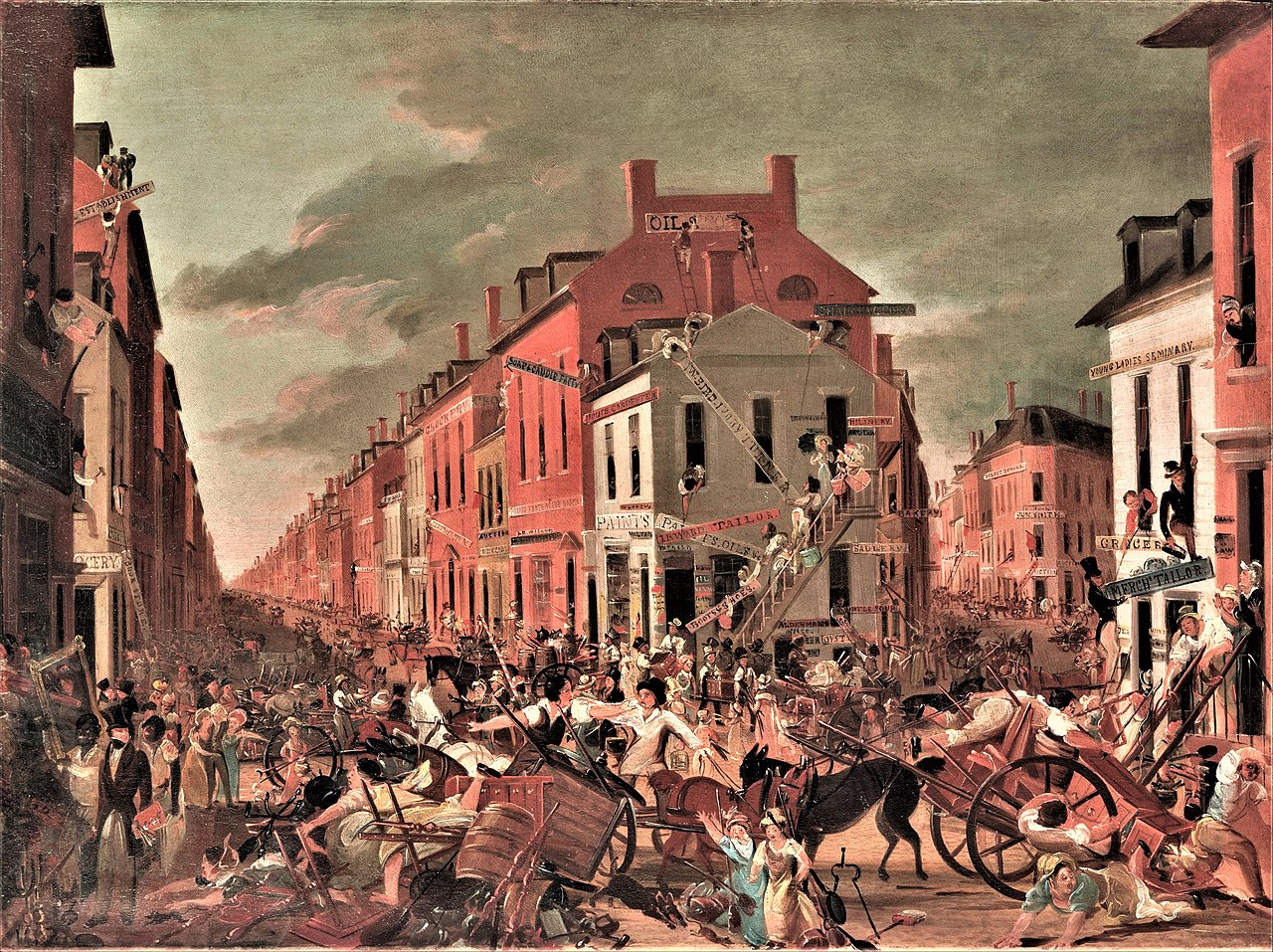
The History of New York’s Chaotic May 1st Moving Day
ManageGo is a smarter, faster and better way to accept/pay online rent payments, manage maintenance support, and much more.
Did you know that 64% of Americans cite moving as the #1 most stressful event in their lives? At least that’s what a recent OnePoll study for North American Van Lines found.
Now think back to your last big move, except imagine it on the SAME day everyone else in your building, on your street, and in your city were moving. Sounds like a recipe for dodging couches and making enemies out of neighbors!
Well, in the 19th century, this was the norm for New York City residents. It was called Moving Day, and it may have been the most chaotic time in the city’s history.
A Short History of Moving Day
While the exact origin of this tradition has been lost to history, experts suggest that it traces all the way back to colonial times. Even so, it wasn’t made official until 1820, when the state of New York wrote it into law: all leases must be valid until the first day of May. This coincided with Rent Day, February 1st, where landlords would notify tenants of the rent price for the next year. This gave renters 3 months to make housing plans that fit their needs.
With this legislation in place, thousands of New Yorkers hit the streets at 9am on May 1st with horse drawn wagons filled with their belongings, headed to their new homes. This chaos lived on as the norm through the city, eventually dwindling in the early 20th century as tenant protections grew and city lifestyles shifted. Until, in 1945, the aforementioned law was officially written out due to nationwide housing shortages following WWII – ending the tradition for good.
A Look at How Far We’ve Come
It’s safe to say we’ve come a long way since Moving Day was alive and well. These days, New Yorkers can move on any day they wish, and they enjoy quite a bit more luxury in the process. Long gone are the days of chaos in the streets when it comes time to move abodes, but this history reminds us of the importance of ensuring a seamless transition from renters.
Like the February 1st Rent Day of the previous centuries, giving current residents at least 90 days notice of any price increases is the considerate thing to do, but whether or not you have to will depend on your local housing laws (do your research!). Giving renters this buffer shows your respect for them, which is important if you’re hoping for a renewal, or even a great property review.
The advantage that modern renters have today that renters during the era of Moving Day lacked was access to powerful technology. Whether it’s a simple digital moving checklist or a full-fledged mobile resident portal, moving in the 21st century has never been more streamlined. While it’s fun to look back at outdated traditions like New York’s infamous Moving Day, it’s also a relief to realize how easy we have it thanks to modern property management technology.
No matter your business goals, ManageGo has your back. Request a demo today to discover how our software solutions can benefit you and your unique property management needs. Or, connect directly with one of our experts and get started on your journey to better property management. Plus, subscribe to our monthly newsletter to explore the industry, get the latest company news, and be the first to know about special announcements!
ManageGo is the smart alternative
Pay 75% less for more features and a better experience for you and your tenants




Insights to Help You Manage Smarter

The 5 Most Common Roofing Problems to Prepare for in the Spring
Spring is the perfect time to take stock of the roofing situation at your properties. You’re out of the depths of winter and ready to do more of the outdoor work that roofing often requires. When you’re looking at your roof, though, what exactly should you be looking for? Here are a few of the most common types of roofing problems to be on the lookout for this spring and summer:


The Easiest Way to Collect Rent Without Worries of Late Payments
Every property manager wants to make sure that all of their residents are able to make their payments — after all, that’s how they make their money! Online payments are easiest for you, but not for all of your residents. Some people simply aren’t comfortable with technology and won’t want to pay online. So what can you do? Here are 3 great potential payment methods that don’t require any computer use by your residents.

Enhance Vendor Relationships in 3 Easy Steps
The relationships you foster with your vendors have a rippling effect throughout your business and affect more than just the work they do. At the end of the day, you are responsible for the maintenance and repairs requested by your residents, so they will blame you when contractors don’t do their job or produce lazy work. In this blog post, we’ll examine how you can enhance your vendor relationships in just three easy steps and avoid sloppy maintenance and frustrated residents at your properties.
Managing properties shouldn’t feel complicated. From collecting rent and tracking maintenance requests to communicating with tenants and keeping your finances organized, there’s a lot to stay on top of every day. It brings everything together in one simple, powerful platform, helping property managers save time, stay organized, and deliver a better experience for their tenants.


