

The Best Way to Introduce Yourself to New Residents
ManageGo is a smarter, faster and better way to accept/pay online rent payments, manage maintenance support, and much more.
So you’ve just purchased a new property — way to go! Whether it’s your first property or your fifty-first, it’s always a big deal. But now what? If the property already has residents living in it when you purchase it, a good next step is to introduce yourself to them, and a letter is an easy way to do that. Here are a few points you might want to cover in an introductory letter to your new residents.
Introduce yourself!
This is the primary purpose of the letter, after all. Give the residents your name, tell them a little about yourself, and let them know you’re excited to get to know them. This is a perfect way to break the ice, set the tone, and build the foundation for a positive relationship with your residents.
Provide contact information
Some of your residents might have questions or concerns that they want to reach out to you about. You’ll want to provide them a way to do that. Providing your preferred contact information will give them a channel of communication with you and might prevent them from looking for ways to contact you that you’d rather they not use or know about. If you’re looking for ways to increase the effectiveness of your communication, consider offering your residents a portal to interact with you and your property, in one easy-to-use place.
Make sure they know how to submit maintenance requests
If you’ll be handling maintenance requests in a different way than the previous property managers, you’ll want to be sure to let your residents know about it. That way, they’ll know exactly what to do when a maintenance situation arises, which might save them a lot of anxiety down the road. Whether there’s a phone number they should call, an address they should email, or an online ticketing system they should use, make sure all your residents know about it.
Let them know about any planned or proposed changes to their lease
It’s illegal to unilaterally decide to make changes to the terms of an existing lease — you’d need to wait until the lease expires if you’re set on changes. However, it is OK to propose changes, and make them if the residents agree. If that’s something you’re interested in, it might be a good idea to broach the subject. Additionally, if a lease is going to be ending soon and you plan on making major changes or not letting current residents renew, you should let them know sooner rather than later so they’re ready for what’s coming.
No matter your business goals, ManageGo has your back. To discover just how our software solutions can benefit you and your unique property management needs, request a demo today. Or, connect directly with one of our experts and get started on your journey to better property management.
ManageGo is the smart alternative
Pay 75% less for more features and a better experience for you and your tenants




Insights to Help You Manage Smarter

3 Ways to Increase Amenity Usage at Your Multifamily Property
From pools and spas to fitness centers and outdoor spaces, amenities are a huge selling point to new renters shopping for their next home. So why do so many of them sit unused, collecting cobwebs and running your bank account? Increasing the amenity usage at your properties comes down to two things: making them appealing and making them simple to use. Here are three ways to accomplish this:

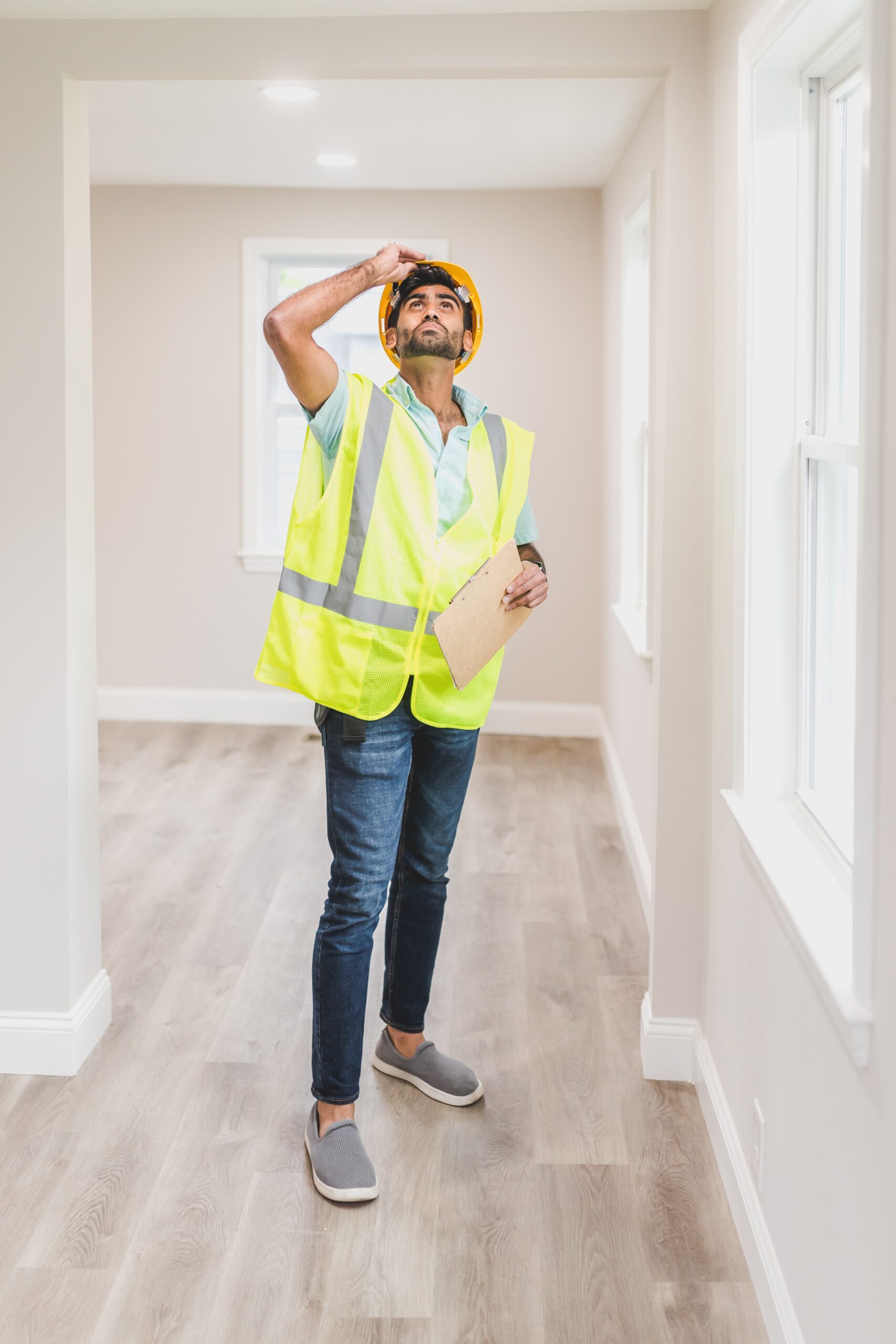
How Often Should You Conduct Property Inspections? Plus What to Look For
Property inspections aren’t very convenient for anyone — property managers or residents. Despite that, they’re very necessary, and you’ll need to conduct them. Problems can arise even when you have great residents, and if you’re not conducting regular inspections, you could miss them until it’s too late. With that in mind, here’s our quick guide to some of the most commonly asked questions about property inspections.

Three Useful KPIs Every Property Manager Should Track
Keeping tabs on certain key performance indicators (KPIs) will give you some objective criteria by which to judge your business’ success and help illuminate where things are working well and where there may be some room for improvement. If you’re not sure what KPIs to track, we’ve got you covered; let’s take a look at three of the most useful metrics for property managers.
Managing properties shouldn’t feel complicated. From collecting rent and tracking maintenance requests to communicating with tenants and keeping your finances organized, there’s a lot to stay on top of every day. It brings everything together in one simple, powerful platform, helping property managers save time, stay organized, and deliver a better experience for their tenants.


